4,250US ER visits 2015-2019
72%Lacerations
56%Upper extremity injuries
The UF/IFAS Injury Study
A 2021 study published in the journal Injury Epidemiology by researchers at the University of Florida analyzed emergency room data from the US Consumer Product Safety Commission's NEISS database. They identified 4,250 drone-related injuries treated at US emergency departments between 2015 and 2019, with drone propellers responsible for the majority of the lacerations in that group.
Lacerations accounted for 72% of injuries. Upper extremities (hands, fingers, forearms, and wrists) were the most common injury site at 56%. Head and face injuries made up roughly 14% of cases. Injuries to children under 18 were overrepresented relative to their share of drone users, likely because children are less likely to follow safety briefings and more likely to reach toward a moving drone.
High-Profile Incidents
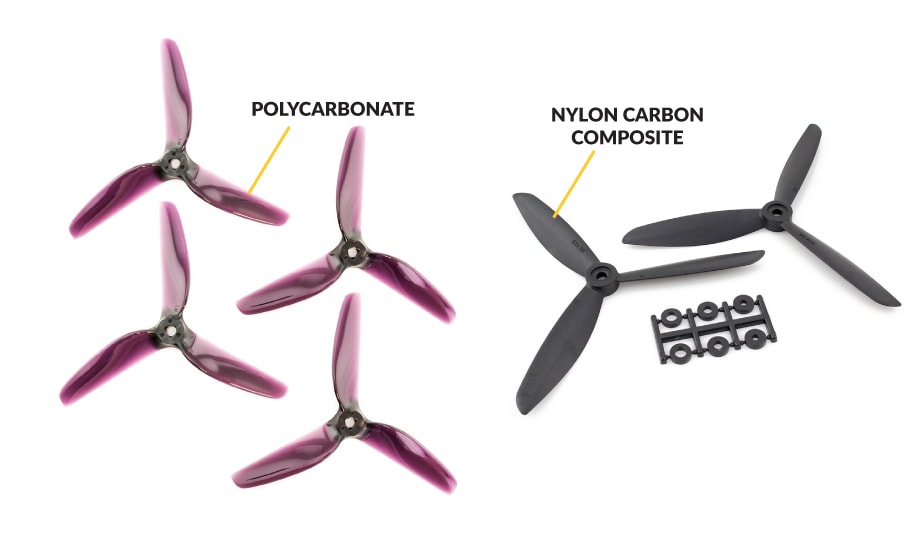
In 2015, singer Enrique Iglesias reached toward an autonomous camera drone during a concert in Tijuana. The drone's propellers contacted his right hand, causing deep lacerations across four fingers that required surgery. The drone was a DJI Inspire 1 with carbon fiber propellers. The incident was filmed and widely circulated, and it is one of the clearest demonstrations of how quickly a prop contact can happen even when someone knows a drone is present.
In the UK, a 2018 inquest documented a child who lost sight in one eye from a prop contact with a small recreational drone at close range. These incidents are at the severe end of outcomes, but prop contact injuries that don't make the news happen far more frequently.
How Distance Reduces Propeller Risk
Risk drops dramatically with distance from an operating drone. Engineering analysis by Technik Consulting using kinetic energy and hit probability modeling shows how quickly the risk falls off:
| Distance from Drone | Estimated Hit Probability |
|---|
| 1 meter | 24.40% |
| 5 meters | 0.98% |
| 10 meters | 0.24% |
| 50 meters | 0.01% |
The numbers explain why the advice to maintain distance is the most effective single safety instruction. Moving from 1 meter to 5 meters reduces the probability of a prop contact by roughly 25 times. This is why FAA recreational guidelines recommend keeping bystanders well outside the operating area, not just a step or two back.
Injury Severity by Drone Class
| Drone Class | Typical Prop Size | RPM Range | Injury Potential |
|---|
| Toy/nano (under 100g) | 2-3 inch | 10,000-15,000 | Surface scratches, minor lacerations |
| Consumer GPS (100-500g) | 4-6 inch | 7,000-10,000 | Deep lacerations, possible tendon damage |
| Prosumer (500g-2kg) | 7-10 inch | 5,000-8,000 | Serious lacerations, bone fracture risk |
| Commercial/industrial (2kg+) | 12-18 inch | 2,000-5,000 | Severe injury, amputation risk |