• Find My Drone

Flying a Drone in Cold Weather: Battery Tips and Winter Guide

Updated

By Paul Posea

Flying a Drone in Cold Weather: Battery Tips and Winter Guide - drone reviews and comparison

What Cold Does to LiPo Batteries

LiPo (lithium polymer) batteries power almost every consumer drone on the market. The chemistry that makes them light and energy-dense also makes them sensitive to temperature in a specific way: cold slows the electrochemical reaction inside the cells, reducing the rate at which they can deliver current.

Capacity loss is real and dramatic

At room temperature (20°C), a LiPo delivers close to its rated capacity. As temperature drops, capacity drops in a roughly linear relationship:

  • 10°C (50°F): 10-15% capacity reduction. Noticeable but manageable.
  • 0°C (32°F): 20-30% capacity reduction. A 30-minute battery becomes a 21-minute battery.
  • -10°C (14°F): 40-50% capacity reduction. Flight times halve.
  • Below -10°C: DJI explicitly states this is outside the operating range for most of their drones. Batteries may refuse to charge below 5°C (41°F) as a safety measure.

Voltage sag: the hidden problem

Capacity loss is annoying. Voltage sag is what actually crashes drones. In cold conditions, a battery under load (during fast flight, climbing, or fighting wind) can drop voltage sharply and suddenly, far faster than it would at normal temperature. When voltage drops below the threshold where the flight controller can maintain motor RPMs, the drone initiates an emergency landing. Not a slow descent you can redirect. An immediate, automatic descent wherever the drone happens to be.

The dangerous part: the voltage recovers when load is reduced. So the battery indicator bounces back. The drone has been trying to warn you with a sudden indicator drop, but if you dismiss it as a glitch, the next sag may not recover in time.

The battery indicator lies in cold weather

Your battery percentage reads voltage at a moment in time. It does not know the current temperature or adjust its estimate. A cold battery sitting in your hand might read 80%, but the actual energy available at that temperature is significantly lower. This is why cold-weather pilots use flight time and not battery percentage as the primary decision point for turning around.

Warning: Never land on 10% in cold weather. The voltage sag effect means the battery can go from 15% to emergency-landing territory in seconds under any load. Turn around at 40% in cold conditions and adjust your turnaround threshold based on temperature.

Operating Temperature Limits by Drone

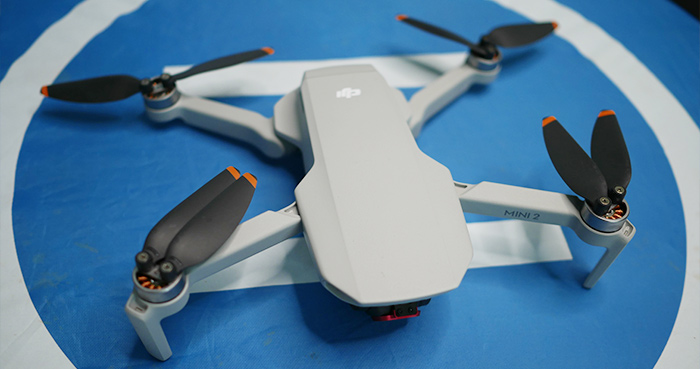
DJI Mini drone on a landing pad in snow and cold weather
A drone ready for a winter flight. Battery temperature matters as much as air temperature.

Most consumer drones list an operating temperature range in their specs. These aren't suggestions. Below the minimum, the manufacturer provides no warranty coverage and the drone's behavior is not tested.

DJI operating ranges

  • DJI Mini 4 Pro: -10°C to 40°C (14°F to 104°F). Below -10°C, flight is outside spec.
  • DJI Mini 5 Pro: -10°C to 40°C. Same range as Mini 4 Pro.
  • DJI Air 3S: -10°C to 40°C. Larger battery has slightly more cold tolerance in practice.
  • DJI Mavic 4 Pro: -10°C to 40°C. The larger intelligent battery handles cold better than Mini series batteries.
  • DJI Neo / Neo 2: 0°C to 40°C. The Neo series has a higher minimum: do not fly below freezing.

The -10°C minimum is at the charger and at rest. A battery that starts at -10°C and then climbs in temperature as you fly will behave differently than one sitting in cold air throughout. DJI recommends preheating batteries to above 20°C before flying in any conditions below 5°C.

The preheat requirement

DJI's app shows a battery temperature readout on the fly screen. Below 5°C, many DJI drones display a battery heating warning and some models will not allow takeoff until the battery warms to a minimum threshold. For drones without automatic heating, this step is on you: keep batteries inside a warm bag, against your body, or in your car until just before launch. A cold battery pulled from a cold backpack is the exact scenario that produces mid-flight voltage sag.

Tip: DJI Intelligent Batteries sold for the Mini 4 Pro, Air 3S, and Mavic 4 Pro include self-heating capability that activates when you power them on in cold conditions. For older DJI batteries and third-party drones, a hand warmer kept with the battery inside an insulated pouch achieves a similar effect without any electronics.

How to Prepare for a Cold Weather Flight

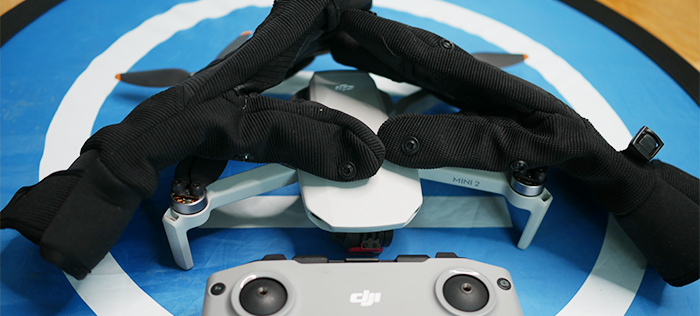
Touchscreen-compatible photography gloves for drone flying in cold weather
Touchscreen-compatible gloves let you operate the remote controller without exposing bare hands to the cold.

The prep routine for cold weather flying is straightforward. Most of the steps happen before you leave the house, not at the field.

  1. Check the temperature before you commit. The operating temperature of your drone is the hard limit. Wind chill doesn't affect the drone (wind chill is a human perception metric), but actual air temperature does. If the forecast says -15°C and your drone's minimum is -10°C, it's not a flying day.
  2. Charge batteries to 100% at home. LiPo batteries left at partial charge in cold storage drain faster and suffer more capacity loss than fully charged batteries. Charge the night before so the batteries are fresh and warm when you pack up.
  3. Keep batteries warm in transport. An insulated lunch bag or neoprene pouch with a hand warmer keeps batteries in the 15-20°C range even in freezing temperatures. The batteries go in last when packing and come out of the bag only when you're ready to install them for flight.
  4. Power on and let the drone hover for 60-90 seconds before flying. Flying draws current through the cells, which generates heat. A 60-90 second stationary hover warms the battery from flight loads before you commit to any technical maneuver. Watch the battery temperature in the app: you want it above 15°C before pushing the drone hard.
  5. Adjust your turnaround threshold. Normal practice is turning around at 30% battery. In cold conditions, move that to 40-50% depending on temperature. The colder it is, the more conservative your reserve needs to be for voltage sag headroom.
  6. Fly shorter sessions with more battery changes. Two 12-minute flights with battery changes in a warm car beats one 24-minute continuous flight where the battery gets progressively colder and the voltage sag window gets bigger.
  7. Bring the remote controller inside your jacket when not actively flying. Remote controllers also have batteries that suffer in cold. Capacitive touchscreens and some button interfaces can become sluggish at very low temperatures. Keep the remote warm.
Tip: The battery temperature readout in DJI Fly is your best in-flight tool in cold weather. It's more reliable than the percentage indicator for knowing when to land. If temperature is dropping mid-flight, increase throttle slightly to generate more heat from the cells and plan your landing before it hits 10°C.

Flying in Snow, Ice, and Wind

Cold weather usually comes with other factors that affect drone flight independently of the battery problem: snow, ice, and stronger winds at lower elevations.

Snow: landing and takeoff

Taking off from snow is generally fine if the snow is powdery and the drone can sit flat. The props will create a snow vortex on takeoff, which is mostly cosmetic but can briefly reduce lift. The real concern is landing in snow: moisture contact with motors and battery compartments. If you must land in snow, set the drone down quickly and retrieve it immediately rather than letting it sit.

Wet, heavy snow is more dangerous than dry powder. Wet snow can cling to props, unbalance them, and accumulate on camera lenses and sensor windows. In actively falling wet snow, the same moisture risks as rain apply (see the rain guide), including potential motor corrosion over repeated exposures.

Ice and freezing temperatures on the drone body

Flying in very cold air can cause ice to accumulate on props and the airframe if there's any moisture in the air (fog, light snow, or freezing drizzle). Ice on props changes their balance and aerodynamic profile, which can cause vibrations that appear in footage as jello and in extreme cases destabilize the drone. If you notice unusual vibrations mid-flight, land and inspect the props before continuing.

Cold and wind together

Cold air is denser than warm air, which actually improves lift efficiency. But cold weather and wind almost always co-occur, and wind is the real killer in winter flying. The battery is already at reduced capacity. Fighting a headwind on the return leg draws more current, accelerates voltage sag, and eats into the already-reduced reserve faster than summer calculations would suggest. At -10°C in 20 km/h winds, your effective flight time can be 40% of the warm-calm-day spec.

Warning: Motor ESC failures in extremely cold conditions are documented but rare. More common is the gimbal locking up in sub-zero temperatures: the gimbal motors are small and the lubricants in the gimbal mechanism can stiffen. If your gimbal is moving erratically at launch, wait for the motors to warm up slightly before flying with it actively stabilizing.

Bringing the Drone Back Inside: The Condensation Problem

Most pilots manage the cold-air risk reasonably well. The condensation problem on the way back inside is what catches people off guard, because the drone looks fine when you pack it up.

What happens when cold electronics enter warm air

A drone that's been flying at -5°C has a body temperature close to that ambient temperature. When you bring it into a 20°C room, warm humid air contacts cold surfaces and condenses inside the drone, exactly the way a cold can of soda sweats when you bring it from the refrigerator to a warm kitchen. The condensation forms on circuit boards, sensor windows, the gimbal housing, and motor windings, in places you can't see and can't easily dry.

Powering on the drone before this moisture evaporates is the mistake. Current flowing through wet components creates shorts that can kill a board that survived the flight perfectly fine.

The sealed bag trick

The solution is simple and takes about 30 minutes of patience. Before bringing the drone inside, seal it in a zip-top bag or an airtight drone case. Leave it in the bag in the warm room for 20-30 minutes. The bag equilibrates to room temperature, and when you open it, the drone body is warm enough that condensation doesn't form when it contacts the room's humid air. Then it's safe to unpack and power on.

  1. Land and power off the drone at the flying site (or as soon as you return to the car).
  2. Remove the battery and wipe down the exterior with a microfiber cloth, especially the motor housings and any port openings.
  3. Place the drone (without battery) into a sealed plastic bag.
  4. Bring the bag inside and leave it sealed for 20-30 minutes.
  5. Open the bag, wipe any condensation from the outside of the bag, and let the drone sit for another 10 minutes at room temperature.
  6. Inspect the lens and sensor windows before powering on. They should be clear, not foggy.
  7. Charge the batteries only after they've returned to room temperature (LiPo batteries should not be charged below 5°C).
Tip: Silica gel packets in your drone case speed up moisture absorption after the bag equilibration step. A small packet in the battery compartment area is particularly useful for multi-day winter trips where humidity fluctuates as you move between warm and cold environments repeatedly.

FAQ

For most DJI drones (Mini 4 Pro, Mini 5 Pro, Air 3S, Mavic 4 Pro), the minimum operating temperature is -10°C (14°F). The DJI Neo and Neo 2 have a higher minimum of 0°C. Below these limits, DJI provides no warranty coverage and battery performance is unpredictable. Practically, flying becomes increasingly risky below 0°C as voltage sag accelerates and flight times drop 30-50% compared to warm conditions.

Expect 20-30% less flight time at 0°C compared to 20°C, and 40-50% less at -10°C. A 30-minute-rated battery may deliver only 18 minutes at freezing temperatures, and less if you're flying in wind. The percentage indicator on your controller doesn't adjust for temperature, so actual usable capacity is lower than what the app shows. Use flight time as your primary planning metric in cold conditions, not the battery percentage.

Yes, in dry powder snow, with caution. Dry, powdery snow doesn't pose immediate moisture risk, though takeoff creates a brief snow vortex under the props. Wet, heavy, or actively falling snow is a different situation: moisture contacts motors, sensors, and the battery compartment, similar to flying in light rain. Consumer drones have no water resistance rating, so sustained wet-snow exposure carries the same corrosion risk as rain. Land immediately if snow becomes wet or heavy.

Yes. DJI recommends preheating batteries to above 20°C before flying in temperatures below 5°C. For drones with self-heating batteries (most current DJI Intelligent Batteries), powering on the battery triggers automatic heating. For other drones, keep batteries inside a warm bag or against your body until just before launch. Flying on a cold battery dramatically increases voltage sag risk, which can cause unexpected mid-flight emergency landings.

Almost certainly voltage sag. Cold batteries deliver current less efficiently and can drop voltage sharply under load, triggering the flight controller's low-voltage safety landing, even if the battery percentage still shows 30-40%. This is the most common failure mode in cold-weather drone flying. To prevent it: preheat batteries, hover for 60-90 seconds before active flying, turn around at 40-50% battery instead of 30%, and fly shorter sessions with battery changes in a warm vehicle.

Cold air alone is unlikely to cause permanent damage within the rated operating range. The main risks are: gimbal locking from stiffened lubricants (usually resolves when warmed up), motor ESC stress from voltage sag under load (rare but possible), and condensation damage when bringing a cold drone into a warm environment. The condensation risk is the most common cause of cold-related permanent damage. Use the sealed-bag technique before powering on a cold drone indoors.

Touchscreen-compatible gloves are the most important: you need to operate the controller without removing your gloves in cold air. Insulated battery pouches with hand warmers keep batteries in the 15-20°C range between flights. Battery sleeves (neoprene wraps) slow heat loss during flight. A small silica gel packet in the drone case helps manage condensation on the return indoors. For filming in very cold conditions, an external monitor for the controller can be easier to operate than a phone touchscreen in sub-zero temperatures.

Store LiPo batteries at room temperature if at all possible. LiPo batteries left at partial charge in cold storage degrade faster than batteries stored fully charged at 20°C. For multi-day winter trips, bring batteries inside overnight rather than leaving them in a vehicle. Never charge a LiPo below 5°C: most DJI smart chargers will refuse to charge cold batteries and display a temperature warning. Wait for the battery to return to room temperature before charging.

Paul Posea

Paul Posea

Author · Dronesgator

Paul Posea is the founder of Dronesgator and has been reviewing and comparing drones since 2015. With a Part 107 certification, 195 YouTube drone reviews, and published work on Digital Photography School, he combines hands-on flight testing with data-driven analysis to help pilots find the right drone.