The DJI Mini 4 Pro, DJI Air 3S, DJI Mavic 4 Pro, Autel EVO Nano+, and every other mainstream GPS camera drone have a payload capacity of zero. This is not a limitation: it is a design decision. The camera on these drones is an integral component of the aircraft, not a detachable payload.
Why spec sheets don't list payload
When DJI publishes specs for the Mini 4 Pro or Air 3S, payload capacity is absent because it is not a design feature. These drones are optimized to carry their own camera system with maximum stability. Adding external weight degrades that stability, strains the motors, shortens battery life, and in most cases voids the manufacturer warranty.
The thrust-to-weight ratio: why payload has a hard ceiling
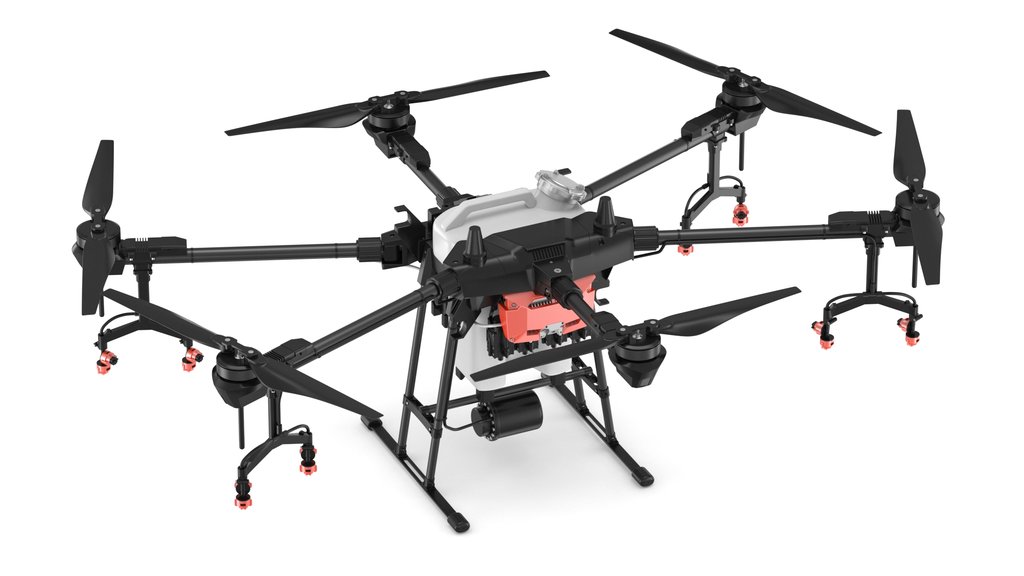
Any drone needs a thrust-to-weight ratio of at least 2:1 to fly safely with a payload. That means the motors must be capable of generating twice the total takeoff weight in thrust. A consumer camera drone like the DJI Air 3S produces enough thrust to carry itself (723g) and has some margin, but that margin is tuned for camera stability, not external payload. Attaching 500g to an Air 3S would require the motors to operate well above their design load, causing overheating, battery drain, and loss of stability reserve. Payload-capable drones like the SwellPro Fisherman Max are designed from the start with a 2:1+ thrust margin that accounts for the intended payload weight.
What about third-party attachments?
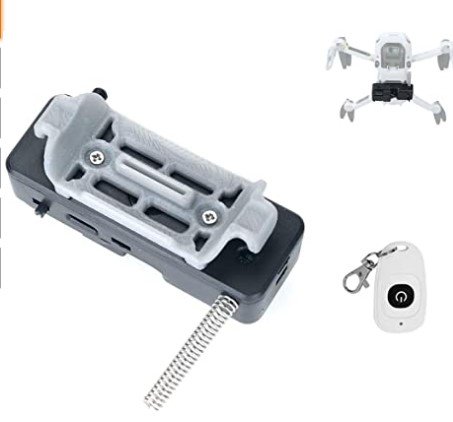
You will find third-party vendors selling GoPro mounts, drop mechanisms, and other attachments that physically clip onto consumer drones. Some of these work. All of them create tradeoffs: added weight taxes the motors, the attachment can obstruct obstacle avoidance sensors, and any payload shifts the center of gravity in ways the flight controller was not tuned for. For casual experimentation this may be acceptable, but DJI does not support or warranty these configurations.
Note: Attaching a GoPro or external camera to a sub-250g drone like the Mini 4 Pro typically pushes the total weight well above 250g, triggering FAA registration requirements even if the drone itself falls under the threshold.