• Find My Drone

Best Waterproof Drones in 2026: 7 Swim-Proof Picks Tested

Updated

By Paul Posea

Best Waterproof Drones in 2026: 7 Swim-Proof Picks Tested - drone reviews and comparison

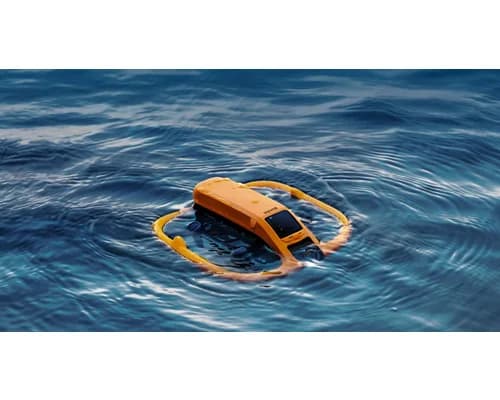
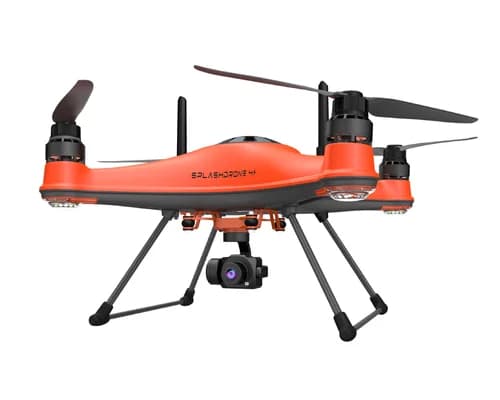
SwellPro SplashDrone 4+ - Best Waterproof Filming Drone

SwellPro SplashDrone 4+ review - 2430g 4K/60fps camera droneBuy Now
View on SwellPro Official
Read Full Analysis
Camera4K/60fps
Battery life30 min
Range7km
Weight2430g
Camera quality
Ease of use
Build quality
Features
Portability
Value for Money

HoverAir Aqua - Best Waterproof Self-Flying Camera

HoverAir Aqua review - 249g 4K/100fps camera droneBuy Now
View on HoverAir Official
Read Full Analysis
Camera4K/100fps
Battery life23 min
Range0.1km
Weight249g
Camera quality
Ease of use
Build quality
Features
Portability
Value for Money

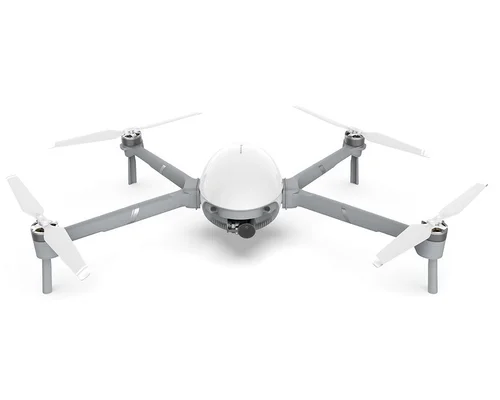
PowerVision PowerEgg X Wizard - Best All-Weather Drone (Discontinued)

PowerVision PowerEgg X Wizard review - 862g 4K/60fps camera droneBuy Now
View on PowerVision Official
Read Full Analysis
Camera4K/60fps
Battery life30 min
Range6km
Weight862g
Camera quality
Ease of use
Build quality
Features
Portability
Value for Money

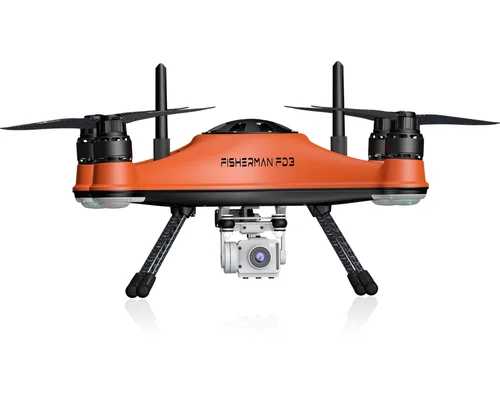
SwellPro Fisherman FD3 - Best Waterproof Fishing Drone with Camera

SwellPro Fisherman FD3 review - 2540g 4K/30fps camera droneBuy Now
View on SwellPro Official
Read Full Analysis
Camera4K/30fps
Battery life27 min
Range1.3km
Weight2540g
Camera quality
Ease of use
Build quality
Features
Portability
Value for Money

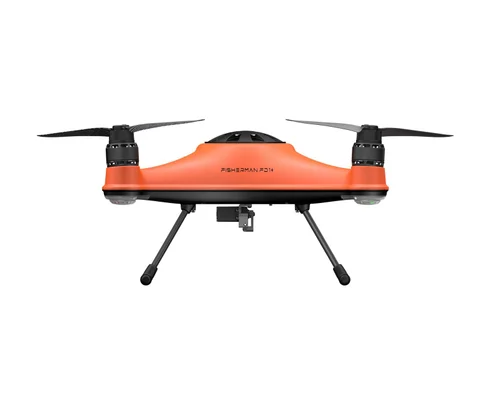
SwellPro Fisherman FD1+ - Best Budget Waterproof Fishing Drone

SwellPro Fisherman FD1+ review - 2291g N/A (no camera) camera droneBuy Now
View on SwellPro Official
Read Full Analysis
CameraN/A (no camera)
Battery life27 min
Range1.3km
Weight2291g
Camera quality
Ease of use
Build quality
Features
Portability
Value for Money

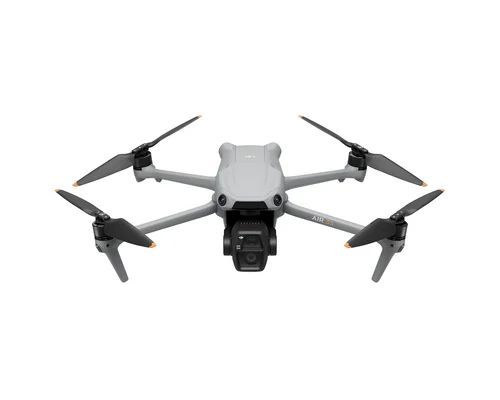
DJI Air 3S - Best Follow-Me Drone

DJI Air 3S review - 724g 4K/120fps camera droneBuy Now
View on DJI Official
Read Full Analysis
Camera4K/120fps
Battery life45 min
Range20km
Weight724g
Camera quality
Ease of use
Build quality
Features
Portability
Value for Money

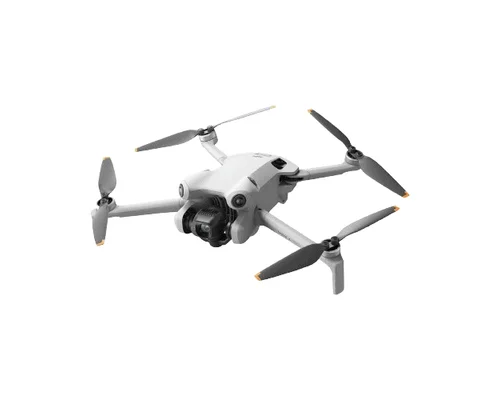
DJI Mini 4 Pro - Best Overall Sub-250g

DJI Mini 4 Pro review - 249g 4K/100fps camera droneBuy Now
View on DJI Official
Read Full Analysis
Camera4K/100fps
Battery life34 min
Range20km
Weight249g
Camera quality
Ease of use
Build quality
Features
Portability
Value for Money

How They Compare

The top five waterproof and water-capable drones compared on IP rating, camera quality, and features that matter for marine and all-weather use. The SwellPro Fisherman FD1+ and DJI Mini 4 Pro serve niche and budget needs and are reviewed below the table.

Swipe to see all drones →

Comparison of top drones under 250g - specs, ratings, and prices
SwellPro SplashDrone 4+ - Best Waterproof Filming Drone
SwellPro SplashDrone 4+
HoverAir Aqua - Best Waterproof Self-Flying Camera
HoverAir Aqua
PowerVision PowerEgg X Wizard - Best All-Weather Drone (Discontinued)
PowerVision PowerEgg X Wizard
SwellPro Fisherman FD3 - Best Waterproof Fishing Drone with Camera
SwellPro Fisherman FD3
DJI Air 3S - Best Follow-Me Drone
DJI Air 3S
3.3
4
3.1
3.2
4.5
Price$2777$999$1099$1899$1099
BrandSwellProZeroZero RoboticsPowerVisionSwellProDJI
CategoryBest Waterproof Filming DroneBest Waterproof Self-Flying CameraBest All-Weather Drone (Discontinued)Best Waterproof Fishing Drone with CameraBest Follow-Me Drone
Flight Time30 min23 min30 min27 min45 min
Range7 km0.1 km6 km1.3 km20 km
Camera4K/60fps4K/100fps4K/60fps4K/30fps4K/120fps
HDR
RAW/DNG
Weight2430g249g862g2540g724g
Obstacle Avoidance
GPS
Follow Me
Buy NowBuy NowBuy NowBuy NowBuy Now

How We Evaluated the Best Waterproof Drones

We prioritized waterproof integrity and real-world durability above everything else. A drone that shoots gorgeous 4K but dies in a rainstorm is not a waterproof drone. The evaluation started with IP rating verification and saltwater resistance claims, then moved to camera quality, flight performance, and the practical question of whether the drone can survive the environment you intend to fly it in.

The evaluation criteria, in order of importance for waterproof use:

  • IP rating and waterproof integrity. We verified each manufacturer's IP rating claims against independent testing and user reports. IP67 means the device survives immersion in 1 meter of water for 30 minutes. IP66 means protection against powerful water jets. Many drones market themselves as 'water-resistant' without any IP certification, which is functionally meaningless. Only the SwellPro SplashDrone 4+, SwellPro Fisherman FD3, SwellPro Fisherman FD1+, and HoverAir Aqua carry genuine IP67 ratings. The PowerVision PowerEgg X achieves waterproofing only with an accessory housing that degrades camera quality.
  • Saltwater versus freshwater durability. Freshwater tolerance is easier to engineer. Saltwater corrodes electronics, motors, and bearings in ways that freshwater does not. The SwellPro drones are specifically marketed as seawater-proof, while the HoverAir Aqua uses titanium screws and stainless motor housings for salt resistance. Any drone flown over saltwater should be rinsed with fresh water after every session, even if rated IP67.
  • Camera quality. Waterproof drones universally have worse cameras than mainstream DJI drones at the same price. This is a design trade-off: sealed waterproof housings limit sensor size, lens complexity, and heat dissipation. We evaluated cameras relative to what each drone is designed to do rather than comparing them to DJI flagships that would not survive the same conditions.
  • Flight performance in wind and weather. Marine environments mean wind. Coastal flying routinely involves 15-25 mph gusts that ground lightweight consumer drones. We weighted wind resistance, GPS stability in open water, and return-to-home reliability for over-water flights where losing signal means losing the drone.
  • Customer service and parts availability. Waterproof drones come from niche manufacturers (SwellPro, PowerVision, ZeroZero Robotics) that do not have DJI's global support infrastructure. We checked Trustpilot ratings, forum complaints, and warranty claim experiences because a $2,777 drone with no customer support is a significant risk.

Understanding Waterproof Ratings: IP67 vs Water-Resistant vs Marketing Claims

The difference between a waterproof drone and a water-resistant drone is whether the manufacturer will replace it when it gets wet. IP ratings are standardized tests defined by IEC 60529, not marketing copy. Knowing what they mean prevents expensive surprises.

What IP67 actually means

The first digit (6) rates dust protection: complete protection against dust ingress. The second digit (7) rates water protection: protection against temporary immersion in water up to 1 meter for 30 minutes. The SwellPro SplashDrone 4+, SwellPro Fisherman FD3, SwellPro Fisherman FD1+, and HoverAir Aqua all carry IP67 ratings. This means they can survive being submerged, but they are not designed for extended underwater use. Landing on a lake, flying through rain, and recovering from a wave hit are all within specification. Diving underwater is not.

IP66 and the PowerEgg X approach

The PowerVision PowerEgg X (now discontinued) took a different approach: the drone itself is not waterproof, but the included Wizard kit adds a waterproof housing that provides rain and splash protection. This is functionally IP66 (protection against powerful water jets) rather than IP67 (submersion). The housing blocks water but degrades image quality because the camera shoots through plastic. It also adds weight and reduces flight time. If you already own one, it works. If you are buying new, this is not the approach the market has settled on.

DJI drones are not waterproof

No current DJI drone carries an IP rating for water protection. The DJI Air 3S and Mini 4 Pro are included in this article because people fly them near water, and they produce far better footage than any waterproof drone. But they will not survive a water landing. The Air 3S's Level 5 wind resistance (12 m/s) handles coastal gusts, and its 45-minute battery gives margin for careful water-adjacent flying. These are tools for filming over water, not for flying through it. If your drone contacts the water surface, DJI's warranty does not cover water damage.

What 'water-resistant' means in marketing

Some manufacturers claim 'water-resistant' construction without an IP rating. This typically means conformal coating on circuit boards and rubber gaskets on battery compartments. It may survive light rain or mist. It will not survive landing on a lake. Without a standardized IP test, 'water-resistant' is a marketing term, not an engineering specification. We did not include any self-described water-resistant drones without IP certification in this article.

Best Waterproof Drone for Each Use Case

Waterproof drones serve very different needs. A marine researcher filming whale pods wants a different drone than a surf fisherman delivering bait. This table maps the seven drones to their strongest use cases.

Use CaseBest PickPriceWhy
Marine filming & researchSwellPro SplashDrone 4+$2,777Only drone that launches from water with a 3-axis gimbal 4K camera. IP67 saltwater-proof.
Water sports selfiesHoverAir Aqua$999IP67 waterproof self-flying camera. Sub-249g. 4K/100fps slow-mo. Floats and self-rights.
All-weather flying (rain/snow)PowerVision PowerEgg X Wizard$1,099Waterproof housing for rain/snow flying. Discontinued but available used. 4K/60fps.
Drone fishing with cameraSwellPro Fisherman FD3$1,899IP67, 4K camera for fish spotting, 4.4 lb payload, dual bait release, sonar compatible.
Drone fishing on a budgetSwellPro Fisherman FD1+$899IP67, 4.8 lb payload, dual bait release. No camera but $1,000 less than the FD3.
Best footage over waterDJI Air 3S$1,099Not waterproof but produces the best video of any drone here. 1-inch sensor, 4K/120fps.
Budget water-adjacent filmingDJI Mini 4 Pro$759Not waterproof but sub-250g, 4K, obstacle avoidance. Best footage quality under $1,000.

The fundamental trade-off: waterproof drones exist but their cameras are a generation behind DJI. If your drone will actually touch water, you need a waterproof option. If you are filming over water and confident you will not crash, a DJI drone produces much better footage for the same money.

Can You Use a Regular Drone Near Water?

Yes, and most professional water-adjacent footage you see online was shot by DJI drones that are not waterproof. The question is risk tolerance.

DJI Air 3S over water

The Air 3S at $1,099 is the best non-waterproof option for filming over water. The 1-inch main sensor produces cleaner footage than any waterproof drone on this list. The 45-minute battery gives enough session time to fly conservatively with margin. LiDAR obstacle avoidance works at dusk and dawn when boats and buoys are harder to see. And the Level 5 wind resistance (12 m/s) handles most coastal conditions. Professional drone operators who film water sports, coastal properties, and marine wildlife almost universally use DJI drones because the image quality gap is too large to ignore.

DJI Mini 4 Pro over water

The Mini 4 Pro at $759 is the budget water-adjacent option. At 249g, it is light enough that any gust can push it, but the 10-bit D-Log M video and 48MP photos produce images that look professional. The four-directional obstacle avoidance gives a safety net. For filming boats, harbors, and calm-water activities, it produces footage that the $2,777 SplashDrone 4+ cannot match in image quality.

Risk mitigation for non-waterproof drones over water

If you choose to fly a DJI drone over water, these practices reduce (but do not eliminate) the risk of losing it:

  • Launch and land from solid ground. Never attempt a hand catch over water or launch from a boat deck unless you are experienced.
  • Maintain altitude. Flying at 30+ meters reduces the chance of wave contact and gives time to react to GPS drift or wind gusts.
  • Watch battery conservatively. Return with 30%+ battery remaining. Over water, there is no emergency landing option.
  • Avoid flying in rain. Even light rain can damage a non-waterproof drone's motors, sensors, and circuit boards.
  • Use a bright-colored landing pad. For boat launches, a visible pad helps with return-to-home accuracy.
  • Consider drone insurance. Providers like SkyWatch and Verifly offer per-flight or annual policies that cover water damage.

If your drone does hit the water, DJI's own guide recommends retrieving it immediately, removing the battery, and drying it with desiccant for 72+ hours. Success rate is low. The motors, gimbal, and sensors are typically damaged beyond repair by saltwater.

Our Verdict: Best Waterproof Drones in 2026

SwellPro SplashDrone 4+

At $2,777 is the only serious waterproof filming drone. IP67, 48MP 4K camera on a 3-axis gimbal, launches and lands on the water, flies through rain, and tolerates saltwater.

The camera is a generation behind DJI in image quality, the app is unreliable, and SwellPro's customer service has a poor reputation. But no other consumer drone pairs IP67 waterproofing with a 3-axis gimbal and 4K/60fps video. For marine researchers, SAR teams, and commercial operators who need a drone that treats water as a feature, the SplashDrone 4+ is the default choice. For anyone who just wants good footage near water, a DJI Air 3S will produce better results for less money.

HoverAir Aqua

At $999 is the most exciting waterproof drone of 2026 and also the least proven. IP67, sub-249g, 4K/100fps slow-motion, 10-bit H-Log, floats, self-rights, and follows you autonomously.

For water sports content creators, it fills a gap that literally did not exist before. The catches: 11-minute battery life with tracking active, 100-meter beacon range, no GPS, non-repairable, and it is still in early fulfillment from its Indiegogo campaign. If you are comfortable being an early adopter and your primary use case is filming yourself on the water, the Aqua is innovative. If you want proven reliability, wait 6-12 months for real ownership data.

PowerVision PowerEgg X Wizard

At $1,099 (when available) was the most versatile waterproof-capable drone ever made. Rain flying, water landing, handheld gimbal mode, and AI face tracking in one package.

It is now discontinued and no longer available at major retailers. The camera was mediocre when it launched in 2020 and is outdated now. If you find remaining stock or a well-maintained used unit, it fills the all-weather niche below the SplashDrone 4+ price point. If you are buying new in 2026, this is not an option for most people.

SwellPro Fisherman FD3

At $1,899 is the best waterproof fishing drone with a camera. The 4K video feed lets you spot fish and confirm bait placement. The dual bait release and 4.4 lb payload capacity handle serious offshore fishing.

IP67 waterproofing survives ocean conditions. The camera exists to help you fish, not to help you create content. For shore-based anglers who need to place baits beyond casting range with visual confirmation, the FD3 is purpose-built for the job.

SwellPro Fisherman FD1+

At $899 is the budget waterproof fishing drone. Same IP67 rating, same dual bait release, actually higher payload capacity (4.8 lbs vs 4.4 lbs) than the FD3.

No camera means you fly blind, but it costs $1,000 less. If you know your fishing spots and just need reliable waterproof bait delivery, the FD1+ does exactly that. If you want to see where the bait drops, step up to the FD3.

DJI Air 3S

At $1,099 is not waterproof but produces the best footage of any drone on this list. The 1-inch main sensor, dual cameras, 45-minute battery, and LiDAR obstacle avoidance are designed for a different problem than waterproofing.

Include it here because most people searching for waterproof drones actually want good footage over water, and the Air 3S produces far better video than any IP67 option. Fly it carefully, do not let it touch the water, and bring it home safely. The footage will be worth the anxiety.

DJI Mini 4 Pro

At $759 is the budget water-adjacent option. Not waterproof but produces 48MP photos and 4K/100fps video that the SplashDrone 4+ at $2,777 cannot match for image quality.

At 249g it handles calm coastal conditions well but gets pushed by strong gusts. For filming boats, harbors, and calm-water activities without needing the drone to survive contact with water, the Mini 4 Pro is the highest value option on this list.

FAQ

IP67 is a standardized rating defined by <a href="https://en.wikipedia.org/wiki/IP_code" target="_blank" rel="noopener noreferrer">IEC 60529</a>. The '6' means complete dust protection. The '7' means the device survives temporary immersion in 1 meter of water for 30 minutes. For drones, this means landing on a lake, flying through rain, and recovering from wave contact are all within specification. Continuous underwater use is not. The SwellPro SplashDrone 4+, SwellPro Fisherman FD3/FD1+, and HoverAir Aqua all carry IP67 ratings.

No current DJI drone is rated for rain or water exposure. DJI does not provide IP ratings for water protection on any consumer drone, and their warranty explicitly excludes water damage. Some pilots fly DJI drones in light drizzle, but this risks damaging motors, sensors, and circuit boards. If you need to fly in rain, the SwellPro SplashDrone 4+ (IP67) or PowerVision PowerEgg X Wizard (waterproof housing) are designed for wet conditions.

Yes, with specific models. The SwellPro SplashDrone 4+ and Fisherman drones are designed to land on and launch from the water surface. The HoverAir Aqua floats and can take off from the surface after self-righting. The PowerVision PowerEgg X with water landing floats can land on calm water but may struggle to self-right in waves. No DJI drone can land on water or take off from the surface.

The SwellPro Fisherman FD3 at $1,899 for fishing with a camera feed, or the SwellPro Fisherman FD1+ at $899 for budget bait delivery without a camera. Both are IP67 waterproof, handle saltwater, and carry 4+ lbs of bait with dual release systems. The FD3 adds a 4K camera for spotting fish and confirming bait placement. The FD1+ skips the camera and saves $1,000.

Waterproof drones cost more because sealing electronics against water (especially saltwater) requires specialized materials, gaskets, conformal coatings, and manufacturing processes that mainstream drones skip. The SwellPro SplashDrone 4+ uses a fully sealed body with IP67 certification, corrosion-resistant motors, and a waterproof camera gimbal. All of these add cost. The market is also small: niche manufacturers like SwellPro cannot spread R&D costs across millions of units like DJI can.

Some hobbyists apply conformal coating to circuit boards and seal ports with silicone, but this approach has serious problems. It voids the DJI warranty, may interfere with heat dissipation and cause overheating, cannot protect motors and gimbal mechanisms from water ingress, and provides no guarantee of success. If your drone needs to survive water contact, buy a purpose-built waterproof drone instead of modifying a DJI drone that was never designed for it.

Retrieve it as fast as possible. Remove the battery immediately. Do not attempt to power it on. Rinse with fresh water if it contacted saltwater. Submerge the drone body (without battery) in distilled water to displace salt deposits. Then place it in a container with silica gel desiccant for 72+ hours. <a href="https://store.dji.com/guides/what-to-do-when-drone-falls-in-water/" target="_blank" rel="noopener noreferrer">DJI recommends this approach</a> but notes that success rates are low, especially with saltwater exposure.

Significantly worse. Saltwater conducts electricity and accelerates corrosion of metal components, circuit traces, and motor windings. A freshwater splash may dry out without permanent damage if the drone is powered off quickly. Saltwater leaves conductive salt deposits that continue corroding electronics even after drying. Even IP67-rated drones should be rinsed with fresh water after every saltwater session to prevent long-term corrosion.

Paul Posea

Paul Posea

Author · Dronesgator

Paul Posea is the founder of Dronesgator and has been reviewing and comparing drones since 2015. With a Part 107 certification, 195 YouTube drone reviews, and published work on Digital Photography School, he combines hands-on flight testing with data-driven analysis to help pilots find the right drone.