• Find My Drone
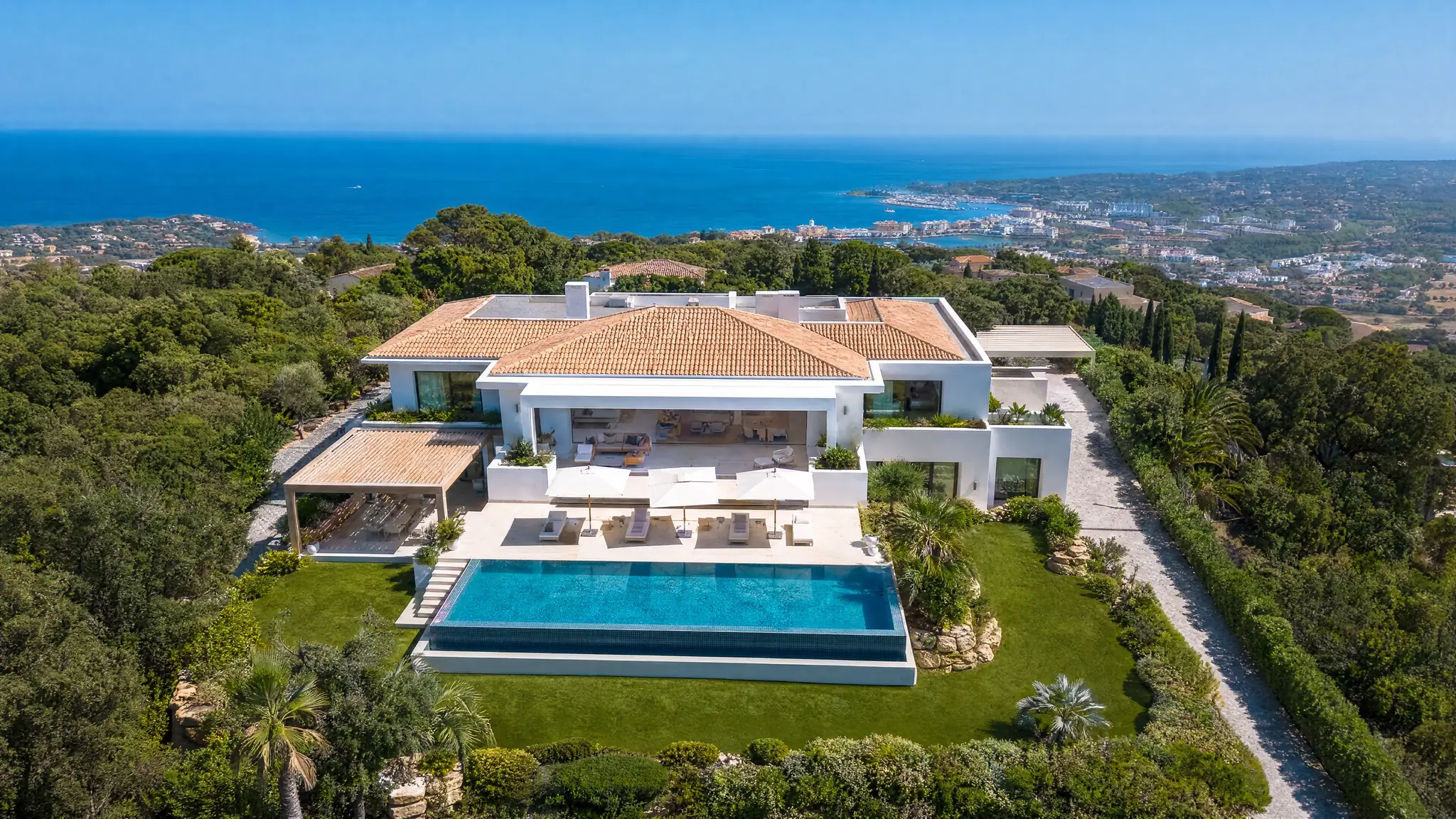
Best for Luxury Real Estate

DJI Mavic 4 Pro Review: Specs, Ratings & Verdict

In-depth analysis featuring aggregated ratings, real user opinions, and expert reviewer insights for the DJI Mavic 4 Pro.

DJI Mavic 4 Pro - 1063g 6K/60fps camera drone
Camera6K/60fps
Battery life51 min
Range30km
Weight1063g
DJI Mavic 4 Pro
Budget$0–$200
Mid-Range$200–$500
Enthusiast$500–$1000
Premium$1000–$2500
Pro$2500+
Paul PoseaAnalysis by Paul Posea · Updated Jun 19, 2026
Marcus TaylorVerified by Marcus Taylor

DJI Mavic 4 Pro Ratings

4.7/5
Overall ScoreBased on aggregated ratings across 15+ criteria
Camera Quality
4.9
Ease of Use
4.2
Build Quality
4.8
Features
4.9
Portability
2.8
Value for Money
3.5

DJI Mavic 4 Pro Pros & Cons

After aggregating data from expert reviews, user feedback, and hands-on testing reports, here are the standout strengths and notable limitations of the DJI Mavic 4 Pro.

Pros
  • Triple camera with a 4/3 Hasselblad main (100MP), 70mm medium telephoto, and 168mm telephoto gives three focal lengths without repositioning. Switch from wide property overviews to architectural details mid-flight
  • Infinity Gimbal rotates 360 degrees continuously, enabling true native vertical video for social media, 70-degree upward tilts for building facades, and rotating shots no other consumer drone can produce
  • 6K/60fps video with 10-bit D-Log across all three cameras gives editors consistent color science. The Mavic 3 Pro only offered D-Log on its main camera, forcing mismatched grades between lenses
  • f/2.0 to f/11 variable aperture on the main camera controls depth of field and handles bright midday sun without ND filters. That's wider than the Mavic 3 Pro's f/2.8 minimum
  • 51-minute flight time translates to 40-45 minutes in real conditions, enough to photograph an entire property exterior on one battery
  • LiDAR omnidirectional obstacle avoidance works down to 0.1 lux, making twilight exterior shoots and return-to-home flights safe after sunset
  • O4+ transmission holds a stable 10-bit HDR 1080p feed at 30 km. The live view quality is good enough to evaluate framing and exposure on the controller screen
  • 100MP stills from the 4/3 sensor resolve enough detail for large-format prints and billboard-scale real estate advertising
Cons
  • 1,063g exceeds both the 250g and 1kg thresholds, triggering stricter FAA regulations and heavier drone categories in the EU
  • $2,199 for the base kit and $3,549 for the Creator Combo puts it beyond what most real estate agents will spend on a drone
  • Not sold in the US officially by DJI due to FCC Covered List restrictions. Buying through B&H or third-party Amazon sellers means uncertain warranty and DJI Care Refresh access
  • 28mm main camera is narrower than the Mavic 3 Pro's 24mm, and some property photographers miss the wider field of view for capturing full building facades up close
  • ActiveTrack performance is weaker than expected. Several owners describe it as unreliable for consistent subject tracking, especially with vehicles
  • No ProRes codec, which professional videographers expected at this price point
  • Normal color profile ships with excessive contrast that requires significant correction in post. Owners who don't shoot D-Log get harsh-looking default footage

Who Is It For

Great for
  • Professional real estate photographers who shoot luxury properties and need triple-camera flexibility
  • Commercial videographers who want 6K/60fps with consistent 10-bit D-Log across all lenses
  • Content creators who need the Infinity Gimbal for true vertical video and creative camera movements
  • Pilots who fly at twilight and need LiDAR-powered obstacle avoidance that works in near-darkness
Not ideal for
  • Real estate agents who need occasional aerial shots. The Air 3S or Mini 4 Pro costs half as much
  • Recreational pilots who want sub-250g registration freedom (this weighs over a kilogram)
  • US buyers uncomfortable with purchasing through unofficial channels and uncertain warranty support
  • Budget-conscious buyers who can't justify $2,199+ for a single drone

What the Triple Camera Actually Sees

The Mavic 4 Pro's headline feature is its three cameras at 28mm, 70mm, and 168mm equivalent. Move the slider to see how much each lens frames at a given distance, so you can judge whether the zoom reach is worth flagship money for how you shoot.

Interactive
Aerial scene at 1x zoom
2.5x
6x
1x · WideFraming illustration
Framing about 505 ft wide at 395 ft

Drag to zoom, or tap a lens below. The dashed boxes mark the tighter lenses you can still zoom into.

Coverage is the approximate horizontal width each lens frames, derived from its equivalent focal length. The 1x wide uses the large 4/3 main sensor; the two tele cameras use smaller sensors, so they are at their best in good light.

What the Mavic 4 Pro Really Costs to Fly

The $2,199 sticker is the base kit with a single battery. Most buyers spend more once they add the batteries, filters, and protection they actually need. Build your setup to see the real number.

Which kit
Extra battery (beyond your kit)$209 each
0
ND filter set
DJI Care Refresh (1 year)
microSD card
FAA registration
Your configuration
Mavic 4 Pro base kit (drone, 1 battery, DJI RC 2)$2,199
Real total cost$2,199

Approximate US prices, mid-2026. The Fly More and Creator combos already include extra batteries. ND filters are close to essential for smooth daylight video, and FAA registration ($5) is required because the Mavic 4 Pro weighs over 250 g.

Base, Fly More, or Creator Combo? Which Kit to Buy

The kit you pick matters more than any accessory decision, because it bundles the extras at a discount. Here is who each one is for.

KitPriceWhat you getBest for
Base (RC 2)$2,199Drone, one battery, RC 2 controllerOnly if you already own Mavic 4 batteries and filters. Most people outgrow one battery fast.
Fly More Combo (RC 2)$2,8993 batteries, charging hub, shoulder bagMost buyers. Three batteries is roughly 2.5 hours of flying, and the extras cost less than buying them separately.
Creator Combo (RC Pro 2)$3,999RC Pro 2 with a bright built-in screen, 512GB onboard storage, 3 batteriesWorking creators who want the pro controller and onboard storage and will not bolt a phone to an RC 2.

For the large majority of buyers the Fly More Combo is the right call. Step up to the Creator Combo only if the built-in-screen controller and onboard storage genuinely fit how you shoot.

Before You Buy: What to Settle First

A few things to know before you commit to a $2,000-plus drone:

  • It must be registered. At 1,063 g the Mavic 4 Pro is well over the 250 g threshold, so FAA registration ($5) and Remote ID apply. A Part 107 license is required for any paid or commercial flying.
  • ND filters are not optional for video. To get smooth, cinematic motion blur in daylight you need ND filters. Budget for a set if you shoot video, not just photos.
  • Plan your storage. 6K and 4K/120 files are large. The Creator Combo has 512GB built in; with the other kits, budget for a fast microSD card.
  • The Infinity Gimbal is the headline upgrade. Its 360-degree rotation enables true vertical and free-angle shots the Mavic 3 Pro cannot do. If that does not change your shots, an older or cheaper model may serve you just as well.

Alternatives Worth Weighing

Before paying flagship money, make sure you actually need it:

  • Want most of the capability for less? The DJI Air 3S is lighter, cheaper, and covers the large majority of real-world shots with its dual camera.
  • Travel light and skip registration? The DJI Mini 5 Pro stays under 250 g with a 1-inch sensor, so no registration in most regions, though you give up the triple-camera reach.
  • On a tighter budget? The previous flagship Mavic 3 Pro is frequently discounted now and still shoots beautifully, if you can live without the Infinity Gimbal and the latest transmission.

See our best drones for photography guide for the full shortlist.

DJI Mavic 4 Pro Full Specifications

Resolution
6K/60fps
Sensor Size
4/3 CMOS (main) + 1/1.3-inch (med tele) + 1/1.5-inch (tele)
Frame Rate
6K/60fps, 4K/120fps, 1080p/120fps
HDR
Yes
RAW/DNG
Yes
Gimbal
3-axis Infinity Gimbal (360° rotation)
Aperture
f/2.0-f/11 (main), f/2.8 (teles)
Zoom
6x optical (28mm + 70mm + 168mm triple lens)
Flight Time
51 min
Control Range
30 km (DJI O4+)
Max Speed
25 m/s
Obstacle Avoidance
Yes
GPS
Yes
Return to Home
Yes
Follow Me
Yes
Weight
1063g
Foldable
Yes

Real-World Performance

Reality check

Mavic 4 Pro: Rated vs Real Flight Time

Flight time per battery

DJI rating (ideal cruise, no wind)51 min
What you actually get
Typical real-world filming40-45 min
Cold or windy conditions~35 min

Plan for the low 40s, not 51

DJI's 51-minute figure is measured at a steady cruise with no wind. Active filming, wind, and cold pull real flights to roughly 40 to 45 minutes, which is why three batteries (the Fly More Combo) is the practical setup.

See the DJI Mavic 4 Pro in Action

An independent hands-on review and flight test, so you can judge it in the real world before buying.

Beyond specs and feature lists, what matters most is how the DJI Mavic 4 Pro performs in the hands of real owners and professional reviewers. Below, we break down sentiment from across the web — from Reddit communities to expert publications.

What Real Users Say

85%positive
sentiment
What users love (85%)
  • D-Log on all three cameras is unanimously praised as the biggest improvement over the Mavic 3 Pro. Owners who edit professionally say matched color science across lenses saves hours in post
  • Flight time is noticeably longer than any previous Mavic, with owners routinely reporting 40+ minutes and completing entire property shoots without swapping batteries
  • The LiDAR night obstacle avoidance gives confidence for twilight real estate exteriors and end-of-day return-to-home flights that previously felt risky
  • The Infinity Gimbal's vertical video mode and upward tilt are called 'the feature you didn't know you needed' by owners who shoot for Instagram Reels and architectural magazines
User concerns (15%)
  • US buyers report frustration with navigating unofficial purchase channels and uncertainty about long-term DJI support, firmware updates, and warranty claims
  • Some early adopters noticed inconsistent quad-bayer binning quality in 100MP mode that improved with firmware updates. Early units had 'mushy' optics at full resolution
  • The weight and folded size draw comparisons to older Inspire-class drones. It doesn't fit in a standard camera bag without a dedicated case

What Reviewers Say

92%positive
sentiment
What reviewers love (92%)
  • Tom's Guide gave it 5/5 calling it 'a Hasselblad with wings' and 'the most powerful consumer drone yet'
  • Engadget scored it 93/100, calling the consistent camera quality across all three lenses 'a new standard for consumer drones'
  • WIRED gave it 9/10, calling the combination of triple cameras, Infinity Gimbal, and LiDAR 'seriously impressive'
  • TechRadar awarded it Editor's Choice, praising the 6K/60fps video and 360-degree gimbal rotation as generational improvements over the Mavic 3 Pro
Reviewer concerns (8%)
  • Reviewers flag the missing ProRes codec and the excessively contrasty Normal color profile as oversights at a $2,199+ price point
  • PCMag and DCRainmaker found ActiveTrack subject tracking less reliable than expected, especially for vehicle tracking
  • The 28mm main camera is narrower than the Mavic 3 Pro's 24mm FOV, which some reviewers prefer for landscape and architectural work

Compare With

FAQ

The base kit with the DJI RC 2 controller is $2,199. The Fly More Combo is $2,899 and adds two extra batteries, a charging hub, and a bag. The Creator Combo with the RC Pro 2 controller and 512GB onboard storage is $3,999. Filters, Care Refresh, and registration add to the real total.

For most buyers, yes. For $700 over the base kit it adds two extra batteries (three total, roughly 2.5 hours of flying), a charging hub, and a bag. Bought separately those batteries alone are about $209 each, so the combo pays for itself if you want to fly for more than 50 minutes at a time.

Yes. At 1,063 g it is well over the 250 g threshold, so in the US it requires FAA registration ($5) and Remote ID. Any paid or commercial flying also requires a Part 107 remote pilot certificate.

For video, effectively yes. ND filters cut light so you can keep a cinematic shutter speed in daylight and avoid choppy, over-sharp motion. For stills only they are optional, but most video shooters treat a set as essential.

The Air 3S is lighter, cheaper, and handles the majority of everyday shots with its dual camera. The Mavic 4 Pro justifies its price with a larger 4/3 sensor, a triple-camera system with longer reach, 6K/60, and the 360-degree Infinity Gimbal. Buy the Mavic 4 Pro if those specific capabilities matter to your work.

The biggest change is the Infinity Gimbal with 360-degree rotation for true vertical and free-angle shots. It also adds a larger main sensor, 6K/60 video, a longer 51-minute flight time, and O4+ transmission with up to 30 km of range.