

 6K/60fps
 51 min
 30km
30km
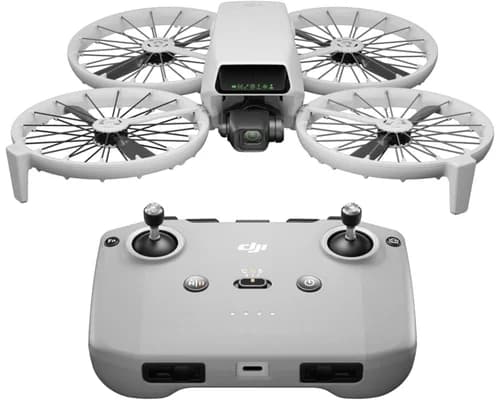
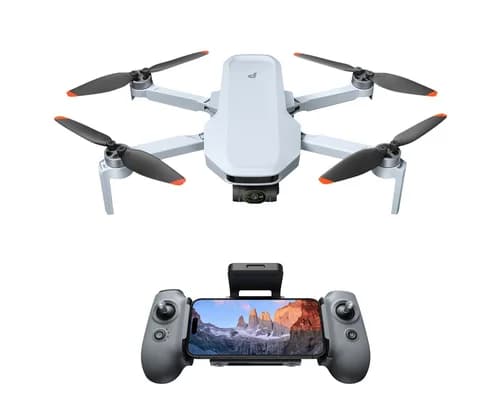
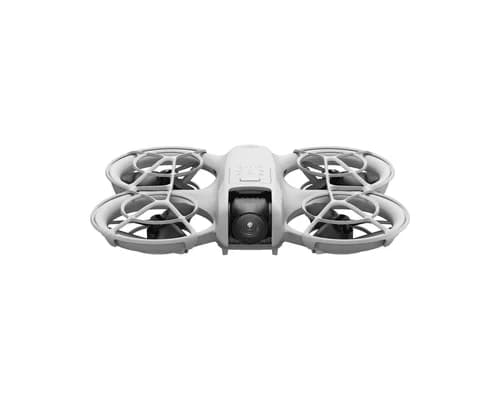
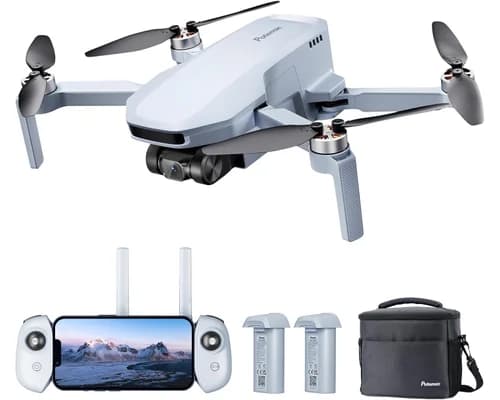
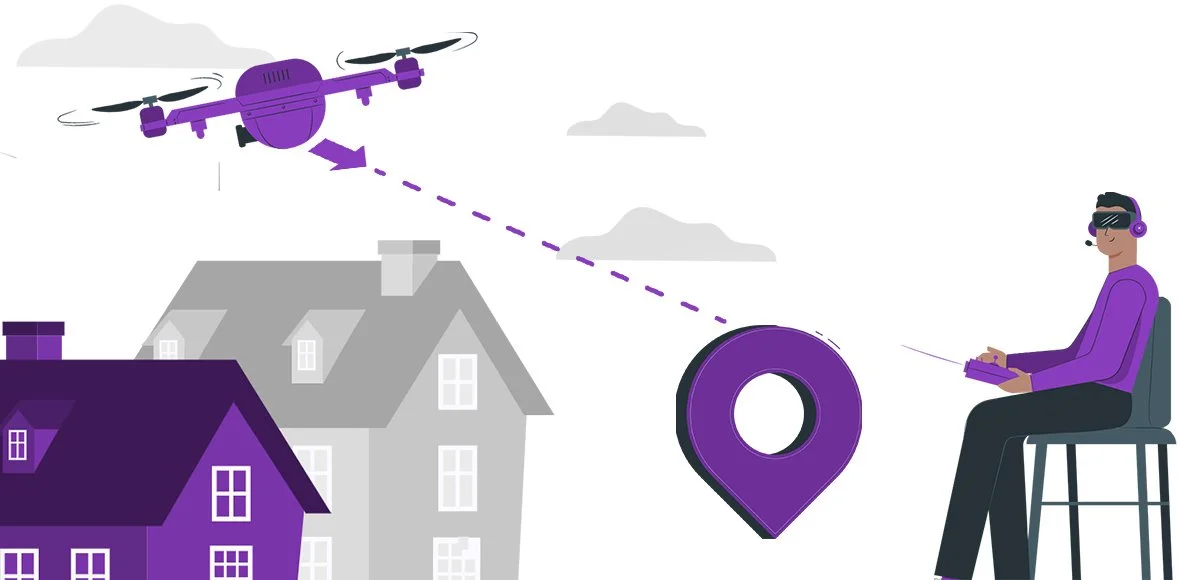
We evaluated return-to-home across four dimensions: trigger reliability (does it activate when it should?), path intelligence (does it avoid obstacles on the way back?), landing accuracy (how close to the takeoff point does it land?), and behavior during signal loss (the scenario where RTH matters most).
Most RTH tests in professional reviews happen in open fields with clear sky. That's the easy case. The harder test is RTH from behind a building where GPS accuracy drops, or RTH over trees where the straight-line path back means flying through branches. Owner reports filled in edge cases that lab tests don't cover.
RTH trigger types
Low battery RTH activates automatically when the battery drops to a threshold (typically 20-25%). The drone calculates whether it has enough power to reach home and triggers RTH with enough margin for wind resistance and altitude changes. All seven drones on this list support this.
Signal loss RTH activates when the controller loses connection with the drone. This is the most critical trigger because you can't manually fly the drone back. The difference between drones shows here: DJI drones wait a configurable timeout, then execute RTH. The Potensic and Holy Stone drones also support signal-loss RTH but with less configurable behavior.
Manual RTH is a one-button activation by the pilot. Every drone here supports this. The practical use: you've flown far out, you're done shooting, and you'd rather press a button than fly the drone back manually. Convenient, not critical.
What we measured
- Landing accuracy from 500m distance (meters from takeoff point)
- RTH behavior with obstacles between drone and home point
- Low-battery trigger threshold and advance warning time
- Signal-loss RTH delay and behavior
- RTH altitude configuration options