How to Choose the Right Drone in 2026
The drone market has more options than ever, ranging from $30 toy quads to $2,000+ professional camera platforms. The key to finding the right one is narrowing down what you actually need it for before comparing specs.
Budget Ranges and What to Expect
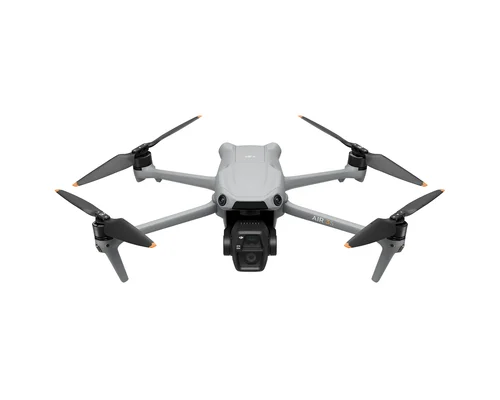
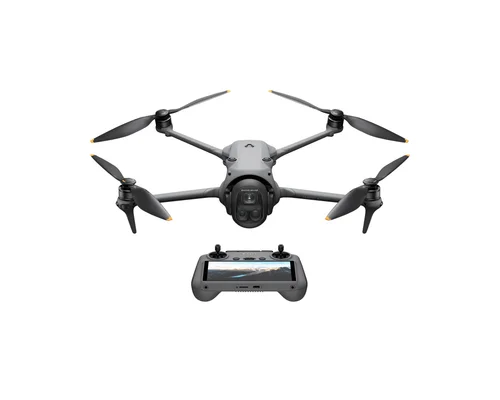
Under $100, you get basic camera drones and toy-grade quads that are great for learning. The $200 to $500 range is where most buyers find the best value: GPS, 4K cameras, and 25+ minute flight times. Above $500, you get larger sensors, obstacle avoidance, and pro-grade video features like D-Log and adjustable aperture.
The 250g Threshold
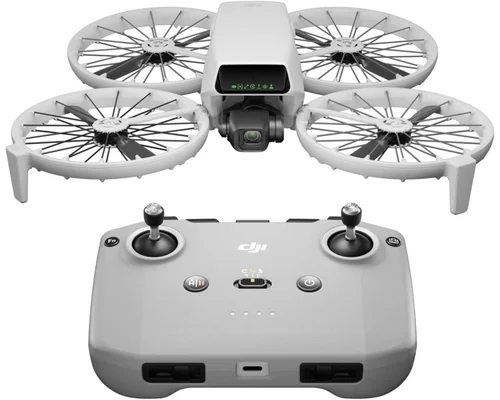
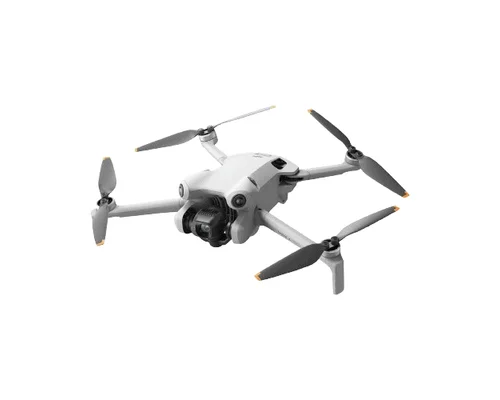
Drones under 250 grams are exempt from FAA registration for recreational use in the US, and many countries have similar exemptions. This makes sub-250g models like the DJI Mini series popular for travel and casual flying. But lighter drones sacrifice sensor size and wind resistance, so the trade-off depends on your priorities.
Key Specs That Actually Matter
- Sensor size: Bigger sensors capture more light and detail. A 1-inch sensor dramatically outperforms a 1/2.3-inch in low light.
- Flight time: Manufacturer claims are best-case. Expect 20-25% less in real conditions with wind and maneuvering.
- Obstacle avoidance: Essential for beginners and anyone flying near trees or buildings. Multi-directional is better than front-only.
- Control range: Listed ranges assume ideal conditions. Urban areas, trees, and interference reduce range significantly.
- Weight: Affects portability, registration requirements, and wind stability.